Recent conflicts, like those in Gaza and Mariupol, highlight NATO’s potential unpreparedness for large-scale urban battles. This guide explores adapting tank doctrine for complex city environments.
The Growing Threat of Urban Combat
The increasing global population density and the prevalence of protracted conflicts are dramatically increasing the likelihood of urban warfare scenarios. Modern battlefields are shifting towards complex urban environments, presenting unique challenges to traditional military doctrines. The recent operations in Gaza serve as a stark reminder of the difficulties inherent in fighting amongst civilian populations and dense infrastructure.
NATO’s potential lack of preparedness for these scenarios is a significant concern, demanding a re-evaluation of existing tactics and a focus on adapting to the specific demands of urban combat. The need for specialized training and equipment, alongside revised operational procedures, is becoming increasingly critical for maintaining military effectiveness in the 21st century.
Historical Context: Lessons from Past Conflicts
Throughout history, urban warfare has consistently proven to be exceptionally costly and challenging. Past conflicts, from the brutal fighting in Stalingrad during WWII to more recent engagements in Grozny and Fallujah, demonstrate the limitations of conventional military power within built-up areas. These historical examples underscore the vulnerability of armored vehicles to close-range ambushes and the difficulties in distinguishing between combatants and civilians.
Analyzing these past engagements reveals recurring themes: the importance of infantry support, the necessity of meticulous intelligence gathering, and the critical need for adaptable tactics. The current situation in Gaza offers a contemporary case study, building upon these historical lessons and highlighting the ongoing evolution of urban combat.
Understanding the Urban Battlefield
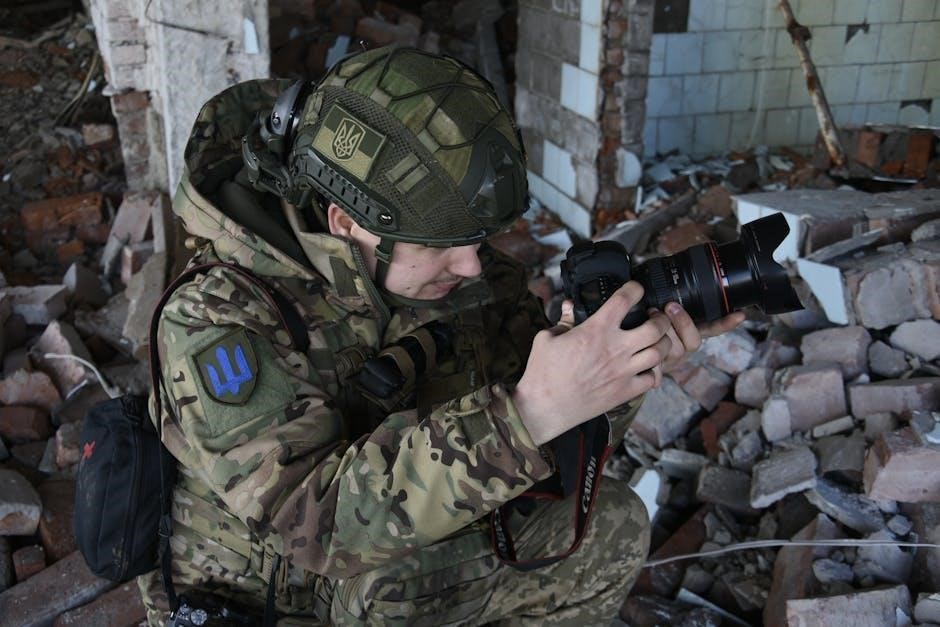
Cities present unique challenges: constricted spaces, obscured lines of sight, and a complex civilian landscape. Effective tank employment requires acknowledging these constraints and adapting accordingly.
Unique Challenges of Urban Terrain
Urban environments drastically alter traditional tank warfare principles. Buildings create kill zones and limit visibility, negating the tank’s range advantage. Streets become narrow corridors, vulnerable to ambushes from multiple directions.
Rubble and debris impede mobility, increasing the risk of immobilization and creating opportunities for anti-tank teams. The three-dimensional nature of cities – rooftops, basements, and tunnels – introduces vertical threats, bypassing conventional armor protection.
Furthermore, distinguishing between combatants and civilians is exceptionally difficult, demanding extreme caution and precise targeting to minimize collateral damage. This complexity necessitates a shift towards more deliberate and cautious maneuvers.
Impact of Civilian Presence
The presence of civilians fundamentally complicates tank operations in urban settings. It demands a heightened level of restraint and precision to avoid unacceptable collateral damage and maintain legitimacy. Indiscriminate fire risks alienating the population and fueling resistance.
Identifying and separating combatants from non-combatants becomes incredibly challenging amidst the chaos of urban warfare. Tanks must operate with extreme caution, relying heavily on observation and intelligence to minimize civilian casualties.
This necessitates slower advance rates and increased reliance on infantry support for building clearance and population control, significantly impacting operational tempo and tactical flexibility.
The Role of Intelligence Gathering
Effective intelligence gathering is paramount for successful tank employment in urban warfare. Traditional reconnaissance methods are often hampered by the constricted terrain and dense building structures. Real-time situational awareness is crucial for navigating complex environments and identifying threats.
Prioritizing intelligence on enemy positions, fortified structures, and potential IED locations is essential. Utilizing drones, signals intelligence, and human sources becomes vital for building a comprehensive operational picture.
Accurate intelligence minimizes the risk of ambushes and allows tank crews to anticipate enemy actions, enhancing survivability and maximizing combat effectiveness within the urban landscape.
Tank Employment in Urban Environments
Traditional tank tactics prove limited in cities. Adapting doctrine is critical, focusing on infantry support, precise firepower, and navigating confined spaces for optimal effectiveness.
Limitations of Traditional Tank Tactics
Conventional tank employment, designed for open terrain, faces significant hurdles in urban settings. The constricted spaces limit maneuverability and increase vulnerability to close-range attacks, particularly from Anti-Tank Guided Missiles (ATGMs) and Improvised Explosive Devices (IEDs).
Line-of-sight is drastically reduced by buildings, creating numerous dead zones and ambush points. Traditional fire-and-maneuver tactics become difficult to execute effectively, demanding a shift towards more deliberate and cautious approaches.
Furthermore, the presence of civilians complicates targeting and necessitates strict adherence to rules of engagement, potentially slowing down operations. The reliance on long-range engagements is often impractical, requiring tanks to operate in close proximity to enemy forces – a scenario where their weaknesses are magnified.
Adapting Tank Doctrine for Urban Warfare
Successfully employing tanks in urban environments demands a fundamental shift in tactical thinking. Prioritizing infantry integration is crucial; arming infantry platoons with enhanced anti-tank weaponry, as observed in Gaza, becomes paramount.
Tank crews must embrace a more defensive posture, utilizing hull-down positions and bounding overwatch techniques to minimize exposure. Intelligence gathering is vital to identify enemy strongpoints and potential IED locations.
Close coordination with supporting elements – engineers for breach operations and artillery for precision strikes – is essential. Adapting to a slower operational tempo and accepting increased risk to civilian infrastructure are unavoidable realities of urban tank warfare.
Specific Tactical Maneuvers
Effective urban tank tactics necessitate mastering hull-down positions, bounding overwatch, and careful navigation of close-quarters engagements, prioritizing crew safety and minimizing collateral damage.
Hull-Down Positions in Urban Settings
Utilizing hull-down positions is crucial for tank survivability in urban warfare. This tactic minimizes the vehicle’s exposed profile, reducing vulnerability to Anti-Tank Guided Missiles (ATGMs) and infantry-based threats. However, urban environments present unique challenges compared to open terrain. Buildings and rubble necessitate careful site selection, ensuring sufficient fields of fire while maximizing concealment.
Identifying suitable hull-down locations requires assessing structural integrity and potential collapse hazards. Pre-planned routes to and from these positions are vital, accounting for potential obstacles and enemy ambushes; Effective communication between the tank crew and supporting infantry is paramount for maintaining situational awareness and coordinating defensive measures. Remember, a compromised position can quickly become a death trap.
Bounding Overwatch Techniques
Bounding overwatch is a fundamental maneuver for tanks navigating urban landscapes, providing continuous security and momentum. One tank establishes a defensive position – overwatch – while another advances to a new, covered location. This leapfrogging method minimizes exposure and allows for methodical progress through complex terrain.
Successful bounding requires precise coordination and clear communication. Overwatch tanks must maintain 360-degree awareness, prepared to engage emerging threats. Advancing tanks should exploit available cover and concealment, minimizing travel time in the open. Infantry support is essential for clearing buildings and identifying potential ambush sites along the bounding route, enhancing overall security.
Close Quarters Battle (CQB) Considerations for Tanks
Tanks operating in extremely close quarters face significant limitations. Traditional firepower may be ineffective or cause unacceptable collateral damage. Prioritize identifying and avoiding situations forcing CQB engagements. When unavoidable, focus on utilizing secondary weapon systems – coaxial machine guns, remote weapon stations – for precise targeting.
Infantry dismounts become crucial in CQB scenarios, clearing buildings and engaging enemies at close range. Tanks provide fire support and a mobile, protected platform, but cannot replace boots on the ground. Maintaining constant communication and a clear understanding of the internal layout of buildings is paramount to minimizing risk and maximizing effectiveness.
Crew Coordination and Communication
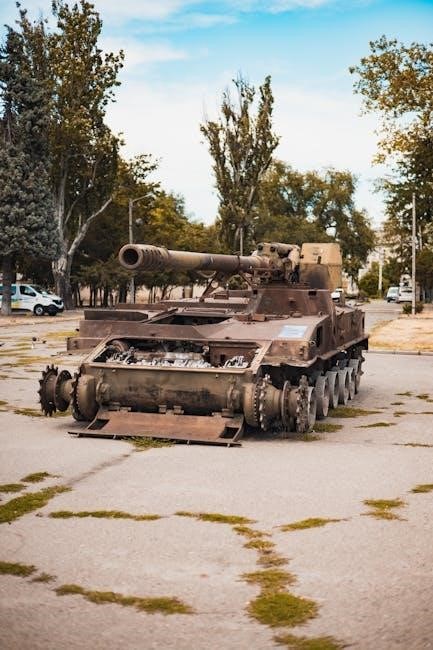
Effective internal and external communication is vital for success. Clear information flow between crew members, infantry, and support elements prevents friendly fire and ensures mission objectives are met.
Importance of Internal Communication
Within the confined space of a tank, and the chaotic environment of urban warfare, seamless internal communication is absolutely critical. The tank commander must clearly articulate orders, target priorities, and situational awareness updates to the gunner, driver, and loader.
Delays or misinterpretations can lead to catastrophic errors – engaging the wrong target, failing to react to immediate threats, or hindering maneuverability. Robust intercom systems, coupled with standardized terminology and concise reporting procedures, are essential. Regular drills and training exercises should emphasize clear, unambiguous communication under stress, simulating the sensory overload common in urban combat scenarios.
Furthermore, proactive communication – anticipating potential issues and relaying information before being asked – fosters a cohesive and responsive crew, maximizing the tank’s effectiveness.
External Communication with Infantry & Support
Effective tank operations in urban terrain fundamentally depend on constant, reliable communication with accompanying infantry and supporting elements. Tanks often operate with limited visibility, relying on infantry to provide close-in security and identify potential ambush points or civilian presence.
Clear reporting of observed threats – particularly Anti-Tank Guided Missiles (ATGMs) and close-range infantry attacks – is paramount. Utilizing secure radio channels and pre-arranged communication protocols minimizes the risk of fratricide and ensures coordinated maneuvers.
Requests for fire support, medical evacuation, or engineering assistance must be transmitted swiftly and accurately. Maintaining situational awareness through shared intelligence feeds and regular updates is crucial for maximizing combat effectiveness and minimizing casualties.
Threats and Countermeasures
Urban environments amplify threats from ATGMs, IEDs, and close-range infantry. Effective countermeasures, including reactive armor and enhanced situational awareness, are vital for tank survival.
Anti-Tank Guided Missiles (ATGMs) in Urban Areas
The proliferation of Anti-Tank Guided Missiles (ATGMs) presents a significant danger to tanks operating within urban terrain. Buildings and rubble provide ideal concealment for launch positions, drastically reducing the tank’s engagement range and situational awareness. Unlike open battlefield scenarios, urban areas limit clear lines of sight, allowing ATGM teams to operate with increased impunity.
Furthermore, the confined spaces amplify the impact of a successful ATGM strike, potentially leading to catastrophic damage or immobilization. Countermeasures must focus on early detection – utilizing enhanced sensors and intelligence gathering – coupled with active protection systems and maneuvering to disrupt ATGM guidance. Infantry support is crucial for clearing potential ambush sites and providing overwatch.
Improvised Explosive Devices (IEDs) and Minefields
Urban environments dramatically increase the threat posed by Improvised Explosive Devices (IEDs) and deliberately placed minefields. Narrow streets and debris-filled areas funnel tanks into predictable routes, making them vulnerable to concealed explosives. IEDs can be hidden within rubble, vehicles, or even beneath the surface of roads, requiring meticulous route clearance.
The presence of civilians further complicates detection and engagement. Effective countermeasures involve utilizing route reconnaissance, employing mine-clearing equipment, and maintaining constant vigilance. Infantry support is vital for dismounted patrols to identify and neutralize potential threats before tank passage, minimizing risk and ensuring mission success.
Close-Range Infantry Attacks
Urban terrain negates the tank’s traditional standoff range, creating opportunities for infantry to exploit blind spots and close the distance. Buildings provide cover for anti-tank teams equipped with rockets and grenades, posing a significant threat to vulnerable tank armor. Effective tactics necessitate a 360-degree security posture, utilizing observation posts and coordinated fire.
Close coordination with supporting infantry is paramount; they must clear buildings and alleyways adjacent to the tank’s route. Suppressive fire and smoke screens can disrupt enemy advances, while the tank’s machine guns provide immediate defensive capabilities. Recognizing and neutralizing these close-range threats is crucial for survival.
Technological Adaptations for Urban Tanks
Modern urban warfare demands enhanced situational awareness, reactive armor, and remote weapon stations for tanks. These systems improve survivability and effectiveness in complex environments.
Enhanced Situational Awareness Systems
Navigating urban landscapes requires tanks to overcome limited visibility and unexpected threats. Advanced sensors, including high-resolution cameras, thermal imaging, and LiDAR, are crucial for identifying potential dangers hidden within buildings or behind obstacles. These systems provide 360-degree coverage, minimizing blind spots and enabling crews to detect infantry armed with anti-tank weapons.
Integration with networked battlefields is also vital. Real-time data sharing with infantry, drones, and command centers creates a common operational picture, improving threat assessment and decision-making; Furthermore, augmented reality displays can overlay critical information onto the crew’s view, enhancing their understanding of the surrounding environment and accelerating reaction times in dynamic urban scenarios.
Reactive Armor and Active Protection Systems
Urban warfare dramatically increases the threat from close-range anti-tank guided missiles (ATGMs) and improvised explosive devices (IEDs). Reactive armor (ERA) provides a first line of defense, detonating outwards to disrupt the shaped charge of incoming projectiles. However, ERA’s effectiveness is limited against tandem-charge warheads commonly used in modern ATGMs.
Active Protection Systems (APS) offer a more comprehensive solution. These systems detect, track, and intercept incoming threats before they impact the tank, utilizing hard-kill or soft-kill countermeasures. Hard-kill systems physically destroy the threat, while soft-kill systems disrupt its guidance system. Integrating both ERA and APS provides layered protection, maximizing survivability in the dense, confined spaces of urban combat.
Remote Weapon Stations (RWS)
Urban environments necessitate enhanced situational awareness and the ability to engage threats without exposing the tank’s main gun or crew. Remote Weapon Stations (RWS) address this need by providing a stabilized platform for various weapons – machine guns, grenade launchers, and even anti-material rifles – operated remotely from within the tank.
RWS allow the crew to engage infantry and lightly armored vehicles at close range, clear obstacles, and suppress enemy positions from defilade. Integrated sensors, including thermal imagers and laser rangefinders, enhance target acquisition and identification. This capability is crucial for minimizing collateral damage and adhering to the rules of engagement in populated areas, improving overall operational effectiveness.
Case Studies: Gaza and Mariupol
Gaza and Mariupol serve as critical modern case studies, revealing challenges and adaptations in tank employment within dense urban terrain and complex conflict zones.
Analysis of IDF Tactics in Gaza
The Israeli Defense Forces’ (IDF) operations in Gaza present a valuable, though hard-won, learning experience for modern armies facing urban warfare scenarios. Initial assessments suggest a need for increased infantry support, specifically arming platoons with more robust anti-tank capabilities to counter emerging threats.
IDF tactics demonstrate an ongoing adaptation to the unique challenges of fighting in densely populated areas. Successes highlight the importance of integrating new technologies and adjusting traditional doctrines. However, the conflict also revealed vulnerabilities, emphasizing the critical need for improved preparedness across NATO forces facing similar potential engagements. The Gaza experience is a crucial test case.
Russian Tank Operations in Mariupol: Lessons Learned
The Battle of Mariupol showcased the brutal realities of urban tank warfare, revealing significant shortcomings in Russian tactical approaches. Despite employing substantial armored forces, Russian advances were hampered by well-prepared Ukrainian defenses and the inherent difficulties of navigating a destroyed urban landscape.
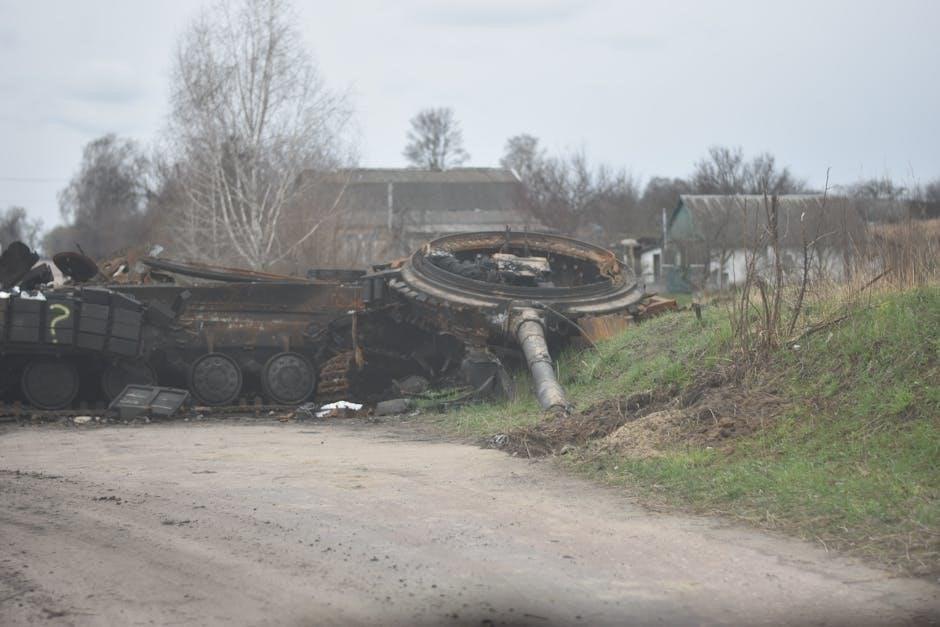
Captured imagery depicts tanks operating in exposed positions, vulnerable to ambushes and anti-tank guided missiles. This highlights the critical need for combined arms coordination and a shift away from traditional, unsupported tank assaults. The Mariupol experience underscores the importance of infantry support, intelligence gathering, and adapting to the specific challenges of close-quarters urban combat.
Future Trends in Urban Tank Warfare
Autonomous systems and drone integration are poised to revolutionize urban tank tactics, enhancing situational awareness and potentially reducing crew risk in complex environments.
The Rise of Autonomous Systems
The integration of autonomous capabilities into tank platforms represents a significant shift in urban warfare strategy. Future tank designs may feature increased levels of autonomy, allowing for remote operation or even fully autonomous navigation through complex urban terrain.
This could reduce the risk to tank crews in high-threat environments, enabling them to operate in areas previously deemed too dangerous. Furthermore, autonomous systems can enhance a tank’s ability to process information and react to threats more quickly than a human operator;
However, ethical considerations and the potential for unforeseen consequences must be carefully addressed as autonomous tank technology develops. Reliable AI and robust fail-safes are crucial for responsible deployment.
Integration with Drone Warfare
Synergistic collaboration between tanks and unmanned aerial systems (UAS), or drones, will be pivotal in future urban combat. Drones can provide tanks with overwatch, scouting ahead to identify enemy positions, IEDs, and potential ambush sites within the complex urban landscape.
This real-time intelligence dramatically improves situational awareness, mitigating the limitations imposed by buildings and narrow streets. Conversely, tanks can serve as mobile launch platforms for drones, extending their range and providing secure communication relays.
Effective integration requires seamless data sharing and communication protocols, enabling a coordinated and responsive combined arms approach to urban warfare.
Resources and Further Reading (PDF Guides)
Accessing comprehensive resources is crucial for understanding evolving tank tactics in urban warfare. While a single definitive “tank tactics guide in urban war pdf” is elusive, several sources offer valuable insights.
The US Army’s official publications on urban operations, though not solely tank-focused, provide foundational principles. NATO’s Allied Tactical Publication (ATP) series contains relevant doctrine. Independent military analysis websites and think tanks frequently publish reports examining recent conflicts like Gaza and Mariupol, offering tactical lessons.
Searching for “urban operations doctrine pdf” or “modern warfare tactics pdf” will yield further relevant materials for in-depth study.