Article Plan: Trapezius Stretches PDF
This comprehensive guide details effective trapezius stretches, offering relief from neck and back pain. It includes a downloadable PDF with exercises like head tilts and shoulder blade squeezes,
promoting improved posture and alignment for individuals experiencing tension.
The trapezius muscle, often overlooked, plays a crucial role in supporting the neck, shoulders, and upper back. Its dysfunction is a frequent contributor to widespread discomfort, impacting daily life for many. Understanding the origins of trapezius pain is the first step towards effective relief, and targeted stretches can be incredibly beneficial.
Back and shoulder pain are remarkably common, particularly among individuals in their late twenties and thirties. This pain often stems from factors like prolonged sitting, poor posture, and the stresses of modern life. An overactive upper trapezius, coupled with tight scalenes, can pull the neck forward, leading to postural collapse. Conversely, weak mid-back stabilizers exacerbate the issue.
Fortunately, incorporating upper back stretches into a routine can significantly alleviate tension and improve overall well-being. These stretches aren’t just for those experiencing acute pain; they’re a proactive measure to prevent future discomfort. The following guide will explore the anatomy of the trapezius, common causes of tension, and a series of stretches designed to restore balance and promote relaxation. Relief is attainable through consistent practice!
Understanding the Trapezius Muscle
The trapezius is a large, triangular-shaped muscle extending from the base of the skull, across the shoulders, and down to the middle of the back. It’s not a single muscle, but rather a complex group of fibers working together to control scapular movement, neck extension, and rotation. A thorough understanding of its structure is key to targeting stretches effectively.
The muscle is divided into three distinct sections: upper, middle, and lower fibers. Upper fibers assist in elevating and rotating the scapula, contributing to shoulder shrugs and neck extension. Middle fibers retract the scapula, pulling the shoulders back. Lower fibers depress and rotate the scapula, aiding in downward shoulder movement.
Tension in any of these fiber groups can manifest as pain in various locations – the neck, shoulders, upper back, and even headaches. Factors like stress, poor posture (especially forward head posture), and repetitive movements can contribute to tightness. Recognizing which area is affected helps pinpoint the appropriate stretches for optimal results. Palpation, or feeling the muscle, can help isolate areas of tension and contraction.
Anatomy of the Trapezius (Upper, Middle, Lower Fibers)
The trapezius muscle’s anatomy is crucial for understanding effective stretching techniques. Originating at the base of the skull, the nuchal ligament, and the cervical vertebrae, it spans a significant portion of the upper body. Its broad insertion points along the scapula and clavicle allow for diverse movements.
Upper Fibers: These short fibers run from the neck to the outer edge of the shoulder. They primarily elevate, rotate, and extend the scapula. Tightness here often presents as neck stiffness and tension headaches.
Middle Fibers: Running horizontally across the upper back, these fibers retract the scapula, pulling the shoulders together; Weakness or tightness impacts posture, leading to rounded shoulders.
Lower Fibers: The longest fibers descend from the spine to the inner edge of the scapula. They depress and rotate the scapula, contributing to shoulder stability. Dysfunction can cause lower back pain and limited arm movement.
Understanding these divisions allows for targeted stretches, addressing specific areas of tension and restoring optimal muscle function. Isolated contraction exercises can also help strengthen and activate each fiber group.
Common Causes of Trapezius Tension & Pain
Trapezius tension and pain stem from a variety of lifestyle and physical factors. Poor posture, particularly prolonged periods of slouching or hunching over desks and devices, is a primary contributor. This often leads to an overactive upper trapezius and tight scalenes, pulling the neck forward.
Stress and anxiety frequently manifest as muscle tension, especially in the shoulders and neck. This creates a vicious cycle, as tension exacerbates pain and vice versa.
Physical strain, such as heavy lifting or repetitive movements, can directly overload the trapezius muscle. Weak mid-back stabilizers also contribute, allowing posture to collapse and placing undue stress on the trapezius.
Other causes include dehydration, lack of sleep, and even dental issues that can trigger referred pain. Sciatica and piriformis syndrome can also contribute to pain radiating into the trapezius region. Addressing these underlying factors is crucial for effective pain management alongside targeted stretches;
Ignoring these issues can lead to chronic pain and limited range of motion, highlighting the importance of preventative measures and proactive care.
Benefits of Trapezius Stretching
Trapezius stretching offers a multitude of benefits, extending beyond simple pain relief. Regularly incorporating these stretches into your routine can significantly improve quality of life for those experiencing neck, shoulder, and upper back discomfort.
Pain Relief & Management: Stretching alleviates muscle tension, reducing pain and discomfort. It can address pain stemming from poor posture, stress, or physical strain, offering a non-invasive approach to management. Consistent stretching can lessen reliance on pain medication.
Improved Posture & Alignment: Tight trapezius muscles contribute to rounded shoulders and forward head posture. Stretching helps restore proper alignment, counteracting these effects; This improved posture reduces strain on other muscles and joints.
Increased Range of Motion: Stretching enhances flexibility and range of motion in the neck and shoulders, making everyday activities easier and more comfortable. It can also improve athletic performance.
Stress Reduction: Stretching promotes relaxation, helping to reduce stress and anxiety that often contribute to muscle tension. Taking moments for upper body stretches allows for rejuvenation and a sense of calm.
Pain Relief & Management
Targeted trapezius stretches provide significant pain relief by directly addressing muscle tension and trigger points. This is particularly beneficial for individuals experiencing chronic neck and shoulder discomfort, often linked to stress, poor posture, or repetitive movements.
Reducing Muscle Spasms: Stretching helps to lengthen shortened muscle fibers, reducing spasms and easing pain. Gentle, sustained stretches are more effective than forceful ones in releasing tension.
Decreasing Nerve Compression: Tight trapezius muscles can compress nerves, leading to radiating pain. Stretching can alleviate this compression, providing relief from symptoms like headaches and numbness.
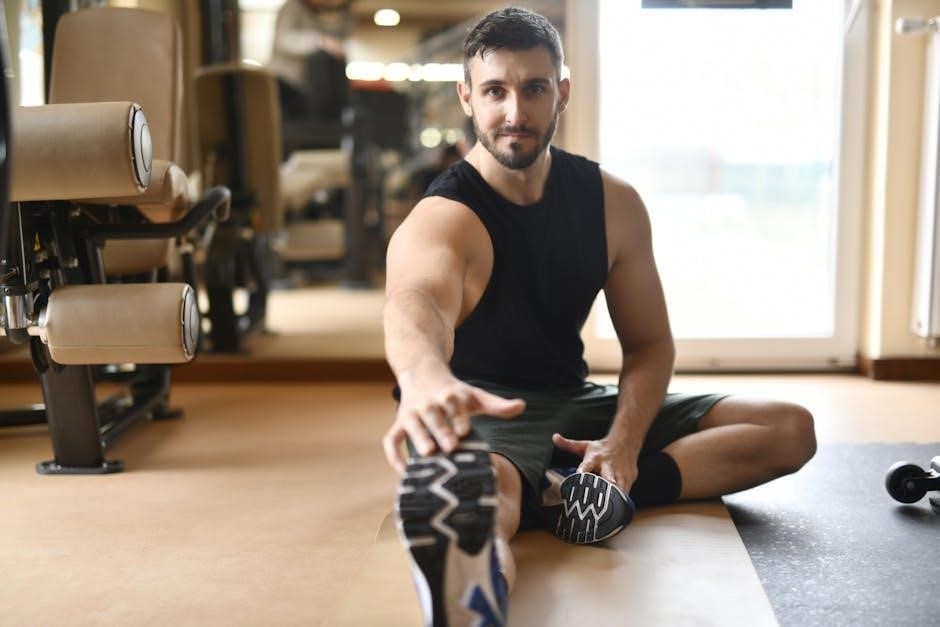
Improving Blood Flow: Stretching increases blood circulation to the trapezius muscles, delivering oxygen and nutrients that promote healing and reduce inflammation. Enhanced circulation aids in pain management.
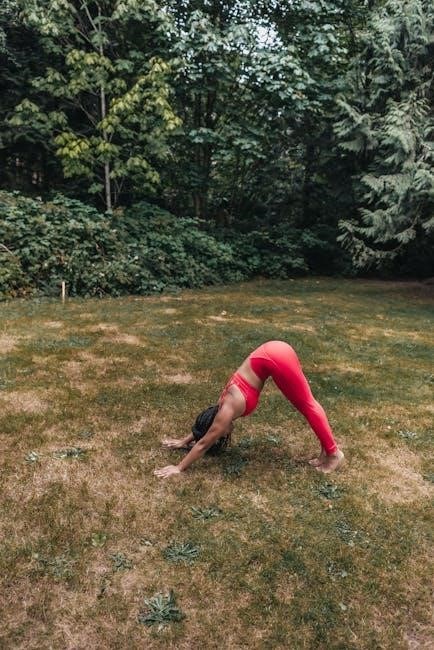
Non-Invasive Approach: Trapezius stretches offer a drug-free, non-invasive alternative to pain management. They can be easily incorporated into a daily routine, empowering individuals to take control of their discomfort. Consistent practice yields lasting results, minimizing reliance on other interventions.
Improved Posture & Alignment
Regular trapezius stretching plays a crucial role in correcting postural imbalances and enhancing overall body alignment. Often, an overactive upper trapezius contributes to forward head posture and rounded shoulders, leading to discomfort and limited movement.
Counteracting Forward Head Posture: Stretching the upper trapezius helps to release tension that pulls the neck forward, encouraging a more neutral head position. This reduces strain on the cervical spine.
Strengthening Back Muscles: By addressing muscle imbalances, stretching facilitates the activation of weaker back muscles responsible for maintaining proper posture. This synergistic effect improves spinal stability.
Opening the Chest: Tight trapezius muscles can restrict chest expansion. Stretching helps to open the chest, promoting better breathing mechanics and a more upright posture.
Enhanced Body Awareness: Incorporating trapezius stretches into a routine increases body awareness, allowing individuals to consciously correct their posture throughout the day. This mindful approach fosters long-term postural improvements and reduces the risk of future discomfort. Consistent stretching supports a healthier, more aligned spine.
Preparing for Trapezius Stretches
Before embarking on trapezius stretches, proper preparation is essential to maximize effectiveness and minimize the risk of injury. A gentle warm-up increases blood flow to the muscles, enhancing their elasticity and responsiveness.
Warm-up Exercises: Begin with 5-10 minutes of light cardiovascular activity, such as arm circles or marching in place. Follow this with specific warm-up exercises for the neck and shoulders. Neck Rotations involve slowly rotating the head clockwise and counterclockwise. Shoulder Rolls entail rotating the shoulders forward and backward.
Important Considerations: Listen to your body and avoid pushing yourself beyond your comfort zone. If you experience any sharp pain, stop immediately. Individuals with pre-existing neck or shoulder conditions should consult a healthcare professional before starting a stretching routine.
Precautions: Maintain proper form throughout each stretch. Avoid bouncing or jerking movements, as these can cause muscle strain. Breathe deeply and evenly during the stretches, promoting relaxation and enhancing muscle flexibility. Hydration is also key; drink water before and after stretching.
Warm-up Exercises (Neck Rotations, Shoulder Rolls)
Initiating trapezius stretches with a targeted warm-up is crucial for preparing the muscles and joints. This increases blood flow, improves flexibility, and reduces the risk of injury during more intensive stretching.
Neck Rotations: Gently drop your ear towards your shoulder, holding for a few seconds. Slowly rotate your chin towards your chest, then to the opposite shoulder. Repeat this motion 10-15 times in each direction. Maintain a slow, controlled pace, avoiding any sudden movements. Focus on feeling a gentle stretch in the neck muscles.
Shoulder Rolls: Begin by rolling your shoulders forward in a circular motion for 10-15 repetitions. Then, reverse the direction and roll your shoulders backward for another 10-15 repetitions. Keep your arms relaxed and your movements fluid. This exercise helps to loosen the shoulder joints and prepare the trapezius muscles for stretching.
Combined Approach: Alternating between neck rotations and shoulder rolls provides a comprehensive warm-up for the entire upper back and neck region. Remember to breathe deeply throughout these exercises, enhancing relaxation and muscle preparation.
Important Considerations & Precautions
Prioritizing safety is paramount when performing trapezius stretches. Individuals should be mindful of their body’s limitations and avoid pushing themselves beyond a comfortable range of motion. Listen attentively to your body and cease any stretch that elicits sharp or intense pain.
Pre-existing Conditions: Those with pre-existing neck or shoulder injuries, such as herniated discs or rotator cuff tears, should consult with a healthcare professional before initiating these stretches. Modifications may be necessary to accommodate individual needs and prevent exacerbation of existing conditions.
Controlled Movements: Always execute stretches slowly and deliberately, avoiding bouncing or jerky motions. Bouncing can trigger muscle spasms and increase the risk of injury. Focus on maintaining proper form throughout each stretch to maximize effectiveness and minimize strain.
Breathing Techniques: Coordinate your breathing with each stretch. Inhale deeply before initiating the stretch, and exhale slowly as you deepen the stretch. This promotes relaxation and enhances muscle flexibility. Avoid holding your breath during any stretch.
Upper Trapezius Stretches
Targeting the upper trapezius effectively alleviates tension often stemming from stress and poor posture. Two key stretches are particularly beneficial: the Head Tilt Stretch and the Levator Scapulae Stretch;
Head Tilt Stretch (Ear to Shoulder): Gently tilt your head towards your shoulder, bringing your ear closer without lifting the shoulder. Hold for 20-30 seconds, feeling a stretch along the side of your neck. Repeat 2-3 times on each side. Avoid forcing the stretch; a gentle pull is sufficient.
Levator Scapulae Stretch (Chin to Chest): Sit or stand with good posture. Gently bring your chin towards your chest, then rotate your head slightly towards your armpit. Hold for 20-30 seconds, feeling a stretch in the back of your neck and upper shoulder. Repeat 2-3 times on each side.
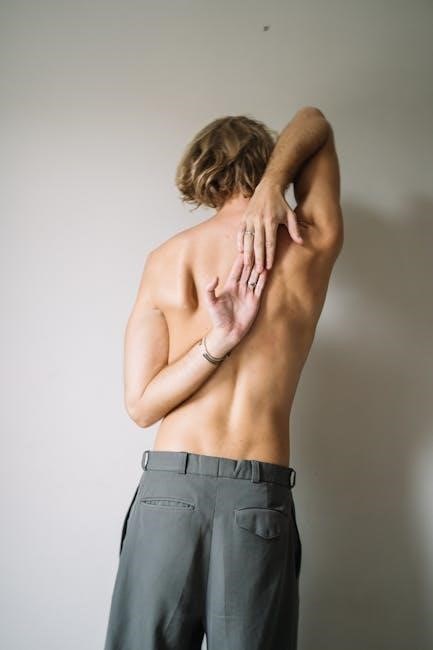
Important Note: These stretches should be performed slowly and controlled. If you experience any pain, stop immediately. Combining these with other stretches will enhance overall flexibility and reduce muscle imbalances.
Head Tilt Stretch (Ear to Shoulder)
The Head Tilt Stretch is a foundational exercise for releasing tension in the upper trapezius muscle. This stretch specifically targets the side of the neck and upper shoulder, areas commonly affected by stress and prolonged computer use.
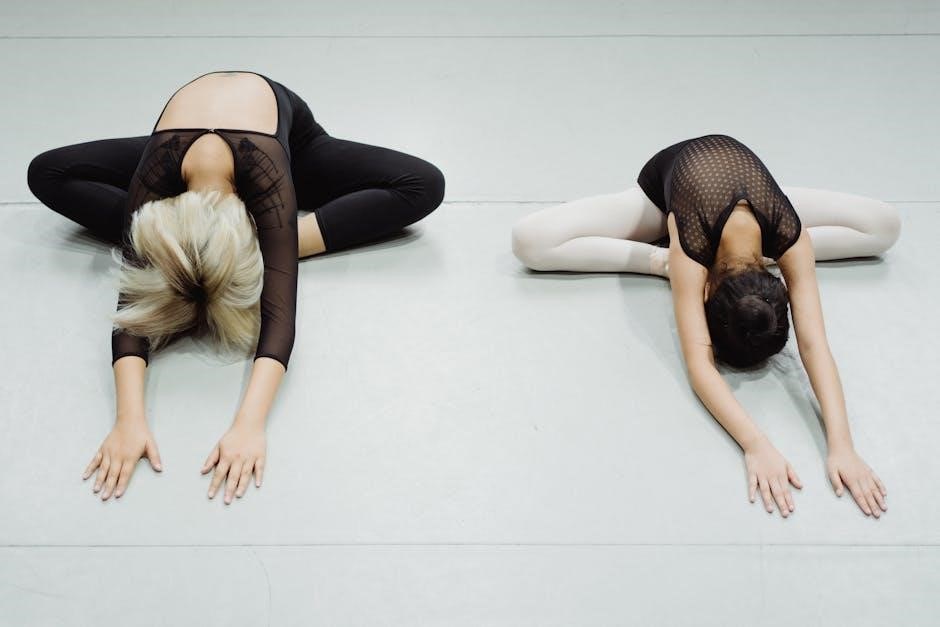
How to Perform: Begin by sitting or standing with a relaxed posture, ensuring your shoulders are down and not shrugged. Gently tilt your head towards your right shoulder, aiming to bring your ear closer to your shoulder without actually lifting the shoulder itself. You should feel a stretch along the left side of your neck.
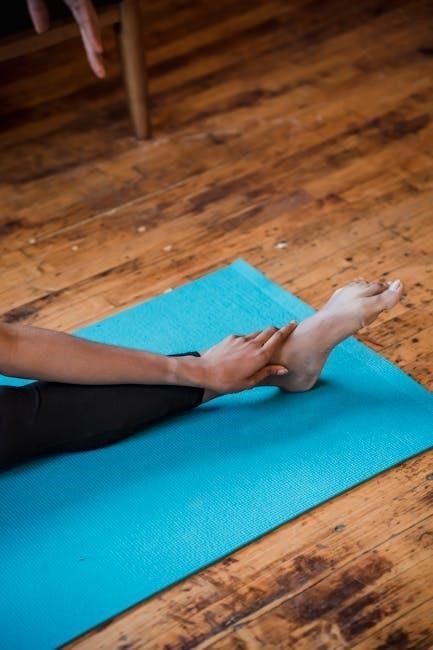
Hold and Repeat: Maintain this stretch for 20-30 seconds, breathing deeply and allowing the muscle to relax. Avoid forcing the stretch; it should be a gentle, comfortable pull. Repeat the stretch 2-3 times on each side, switching to the left shoulder after completing the right side.
Precautions: If you experience any sharp pain, dizziness, or numbness, discontinue the stretch immediately. This stretch is generally safe, but listen to your body and modify as needed.
Levator Scapulae Stretch (Chin to Chest)
The Levator Scapulae Stretch effectively addresses tension in the muscle running from the upper back to the neck, often contributing to neck pain and limited range of motion. This stretch focuses on lengthening this muscle, relieving tightness and improving flexibility.
How to Perform: Begin by sitting comfortably with your back straight. Gently drop your chin towards your chest, feeling a stretch along the back of your neck and upper shoulder blade. To intensify the stretch, gently use your hand to apply slight downward pressure on the back of your head, but avoid pulling forcefully.
Rotation for Deeper Stretch: For a more targeted stretch, gently rotate your head towards your right shoulder while maintaining the chin-to-chest position. You should feel the stretch on the left side of your neck and shoulder. Repeat on the left side.
Hold and Repeat: Hold the stretch for 20-30 seconds, breathing deeply. Repeat 2-3 times on each side. Caution: Avoid this stretch if you have any acute neck injuries or experience sharp pain.
Middle Trapezius Stretches
Stretching the middle trapezius is crucial for maintaining proper shoulder blade positioning and preventing rounded shoulders. These exercises counteract the effects of prolonged sitting and poor posture, promoting a more open and aligned chest. Focusing on this area improves scapular control and overall upper back health.
The middle trapezius plays a vital role in retracting the scapula – pulling the shoulder blades together. Tightness here can lead to discomfort and limited movement. These stretches aim to restore length and flexibility to this often-overlooked muscle group.
Effective stretches include the Shoulder Blade Squeeze Stretch and the Wall Angel Stretch. The Shoulder Blade Squeeze involves actively squeezing your shoulder blades together, holding for a few seconds, and repeating. The Wall Angel promotes scapular stability and stretches the middle trapezius while maintaining contact with a wall.
Regularly incorporating these stretches into your routine will contribute to improved posture, reduced muscle tension, and enhanced upper back mobility. Remember to perform these stretches with controlled movements and listen to your body.
Shoulder Blade Squeeze Stretch
The Shoulder Blade Squeeze Stretch is a simple yet effective exercise targeting the middle trapezius and rhomboids. It’s designed to counteract rounded shoulders and improve posture by strengthening the muscles responsible for pulling the shoulder blades together. This stretch is easily incorporated into daily routines and requires no equipment.
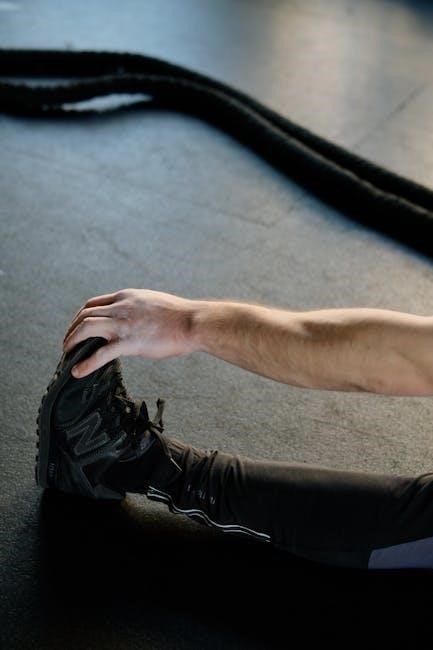
To perform this stretch correctly, sit or stand with good posture, ensuring your spine is straight and your shoulders are relaxed. Gently squeeze your shoulder blades together, as if trying to hold a pencil between them. Hold this contraction for 5-10 seconds, focusing on feeling the muscles between your shoulder blades engage.
Avoid shrugging your shoulders upwards during the squeeze; the movement should be solely focused on retraction. Repeat this exercise 10-15 times, taking short breaks between sets. Consistency is key to achieving noticeable improvements in posture and reducing muscle tension.
This stretch is particularly beneficial for individuals who spend long hours sitting at a desk or engaging in activities that promote forward shoulder posture. It helps restore proper alignment and alleviate discomfort in the upper back and neck.
Wall Angel Stretch
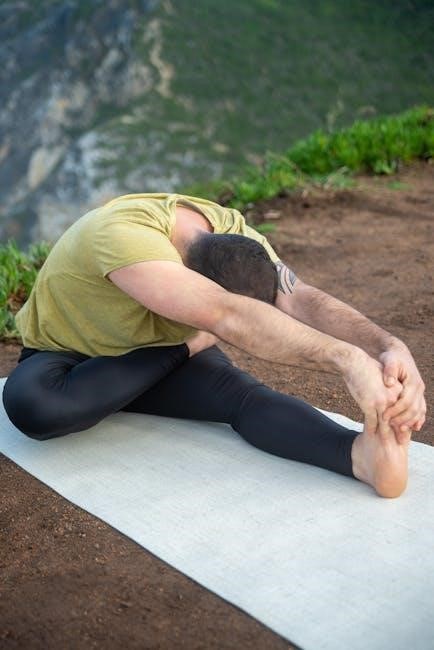
The Wall Angel Stretch is an excellent exercise for improving posture, strengthening the upper back, and stretching the trapezius muscles. It’s particularly effective for counteracting the effects of prolonged sitting and rounded shoulders, promoting better alignment and reducing upper back discomfort. This stretch requires a wall and focuses on controlled movement;
To perform the Wall Angel Stretch, stand with your back against a wall, feet slightly away from the wall. Press your lower back firmly into the wall, ensuring your head, upper back, and buttocks are also touching the surface. Bend your elbows to 90 degrees, with your upper arms and the back of your hands also touching the wall.
Slowly slide your arms upwards along the wall, maintaining contact with the wall throughout the movement. Focus on keeping your core engaged and your lower back pressed against the wall. Lower your arms back down slowly, maintaining contact. Repeat this movement 10-15 times.
If you find it difficult to keep your arms against the wall, start with a smaller range of motion and gradually increase it as your flexibility improves. This stretch is a fantastic addition to any routine focused on upper back health.
Lower Trapezius Stretches
Strengthening and stretching the lower trapezius is crucial for maintaining proper shoulder blade position and preventing rounded shoulders. Weak lower traps contribute to poor posture and can lead to neck and upper back pain. These stretches focus on gently activating and lengthening these often-neglected muscles.
Prone “Y” Raises are a particularly effective exercise. Lie face down on a mat with your arms extended overhead, forming a “Y” shape with your body. Keep your palms facing down and gently lift your arms off the floor, squeezing your shoulder blades together. Hold for a few seconds, then slowly lower your arms back down.
Focus on initiating the movement from your shoulder blades, rather than simply lifting your arms. This ensures that the lower trapezius muscles are engaged. Repeat this exercise 10-15 times. Remember to maintain a neutral spine throughout the movement, avoiding any excessive arching of your back.
These stretches, when performed correctly, can significantly improve posture and alleviate pain associated with weak lower trapezius muscles. Consistency is key to seeing results.
Prone “Y” Raises (with gentle stretch)
Prone “Y” Raises are a fantastic exercise for targeting the lower trapezius and improving scapular control. This stretch, performed correctly, gently activates and strengthens these muscles, counteracting the effects of prolonged sitting and poor posture. It’s a cornerstone of lower trapezius rehabilitation and preventative care.

To perform this stretch, lie face down on a comfortable mat with your forehead resting gently. Extend your arms overhead, forming a “Y” shape with your body. Ensure your palms face down throughout the exercise. Slowly lift your arms a few inches off the floor, focusing on squeezing your shoulder blades together.
The key is to initiate the movement from your scapulae, not just lifting with your arms. Hold the contracted position for 2-3 seconds, feeling a gentle stretch across your upper back. Slowly lower your arms back to the starting position. Repeat this movement for 10-15 repetitions.
Remember to maintain a neutral spine and avoid arching your lower back. Breathe deeply throughout the exercise, and listen to your body, stopping if you experience any pain.
Combining Stretches & Creating a Routine
To maximize benefits, integrate these trapezius stretches into a consistent routine. A well-rounded approach addresses all fiber groups – upper, middle, and lower – for comprehensive relief and improved function. Begin with warm-up exercises like neck rotations and shoulder rolls to prepare the muscles.
A sample routine could include: 3 sets of 10-15 repetitions of each stretch, holding each stretch for 20-30 seconds. Start with upper trapezius stretches (head tilts, chin tucks), progress to middle trapezius exercises (shoulder blade squeezes, wall angels), and finish with lower trapezius activation (prone “Y” raises).
Frequency is key; aim for 3-5 sessions per week. Listen to your body and adjust the intensity and duration as needed. Incorporate these stretches into your daily life – during work breaks, after exercise, or before bed.
Consistency is more important than intensity. Combining these stretches with other postural exercises and mindful movement practices will yield the best long-term results, reducing tension and promoting overall well-being. Remember to consult a healthcare professional if pain persists.
Resources & PDF Download Information
For a comprehensive guide and printable routine, a downloadable PDF is available for immediate access. This PDF contains detailed instructions, illustrations, and modifications for each trapezius stretch, catering to various fitness levels and needs.
Additional resources include: links to reputable websites offering further information on trapezius anatomy, common causes of tension, and related pain management techniques. Explore articles and videos from qualified physical therapists and fitness professionals.
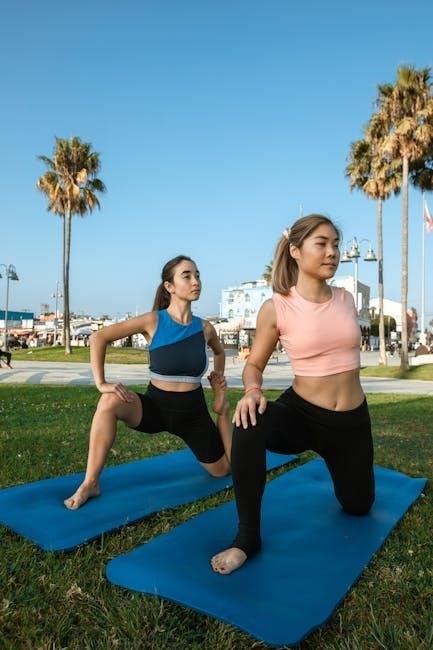
We recommend consulting with a healthcare provider before starting any new exercise program, especially if you have pre-existing conditions. This ensures the stretches are appropriate for your individual circumstances.
To download the PDF, simply click the link provided at the end of this article. It’s a valuable tool for maintaining a healthy upper back and neck, reducing pain, and improving posture. Remember to share this resource with friends and family who may benefit from these stretches. Stay tuned for future updates and expanded content!